


Introduction
Contraception, commonly referred to as birth control, encompasses a wide range of methods designed to prevent pregnancy and support individuals in managing their reproductive health effectively. With more choices available than ever before, individuals and couples can select options that align with their personal preferences, medical history, lifestyle, and family planning goals. Access to reliable contraception not only helps prevent unintended pregnancies but also allows people to plan pregnancies at the right time, contributing to better health and wellbeing.
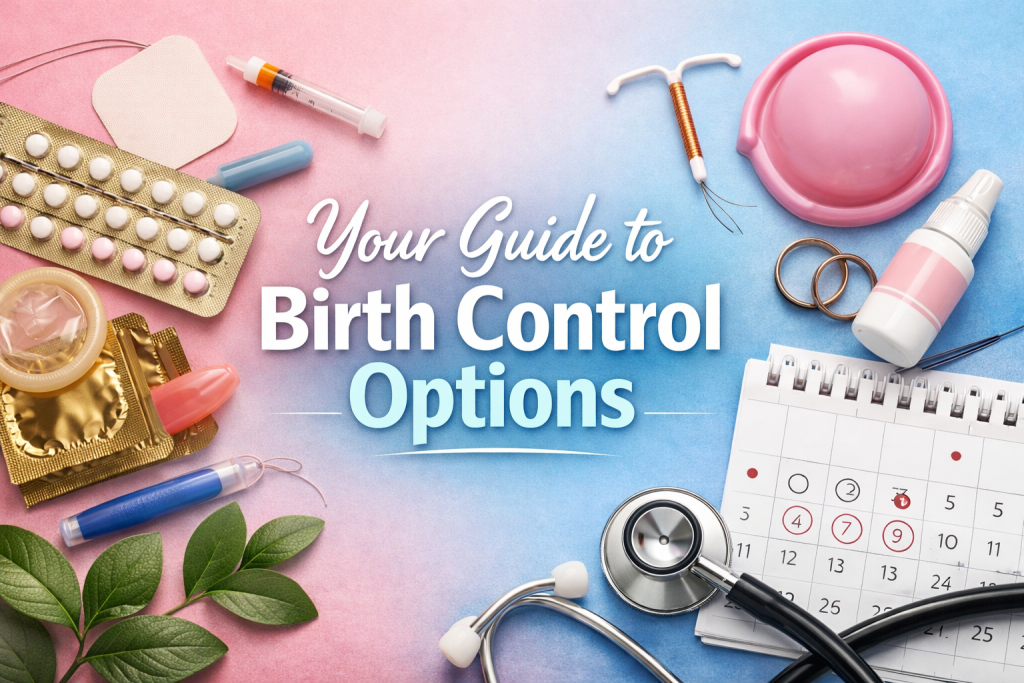
From hormonal methods such as birth control pills, patches, injections, and hormonal intrauterine devices (IUDs) to non-hormonal solutions like condoms, diaphragms, copper IUDs, and fertility awareness methods, each type of contraception offers its own set of advantages, effectiveness levels, and potential side effects. Hormonal methods typically work by regulating or stopping ovulation, while barrier methods prevent sperm from reaching the egg. Some options, such as condoms, also provide protection against sexually transmitted infections (STIs), making them a dual-purpose choice for many individuals.
Understanding the differences between these birth control methods is essential for making informed and confident decisions. Factors such as convenience, cost, reversibility, effectiveness, and possible health risks should all be considered when choosing the most suitable option. Consulting with a healthcare provider can also help tailor the choice to your specific needs and ensure safe usage. Whether you are looking for a long-term solution like an implant or IUD, or short-term protection such as condoms or pills, having the right knowledge empowers you to take control of your fertility, protect your health, and make decisions that best support your lifestyle and future plans.
Understanding Contraception Methods Keywords: contraception methods, types of birth control
Contraception works by preventing pregnancy through one of three mechanisms:
- · Stopping ovulation: Hormonal methods like pills, patches, and injections prevent the ovaries from releasing eggs.
- · Blocking fertilization: Barrier methods such as condoms and diaphragms prevent sperm from reaching the egg.
- · Preventing implantation: Certain methods like hormonal IUDs or copper IUDs create an environment that stops a fertilized egg from implanting in the uterus.
Types of contraception include:
- Hormonal: Pills, patches, rings, injections
- Barrier: Condoms, diaphragms, cervical caps
- Long-acting reversible contraception (LARC): IUDs, implants
- Permanent: Tubal ligation, vasectomy
Note: Effectiveness varies, so it’s essential to choose a method suited to your lifestyle, health, and reproductive goals.
Different Types of Birth Control Keywords: different types of birth control, birth control options
Hormonal Methods
- Birth control pills: Taken daily; highly effective when used consistently.
- Contraceptive patch: Worn on the skin for one week at a time.
- Vaginal ring: Inserted monthly to release hormones.
- Hormonal injections: Administered every 3 months for long-term protection. Note: Hormonal methods may cause side effects such as weight changes, mood swings, or irregular bleeding in some individuals.
Barrier Methods
- Male condoms: Protect against pregnancy and STIs.
- Female condoms: Worn inside the vagina; STI protection included.
- Diaphragms and cervical caps: Used with spermicide; fitted by a healthcare professional. Note: Barrier methods are safe, hormone-free, and ideal for temporary contraception with added STI protection.
Long-Acting Reversible Contraception (LARC)
- Intrauterine devices (IUDs): Copper or hormonal, effective for 3–10 years.
- Contraceptive implants: Small rod inserted under the skin; lasts up to 3 years. Note: LARC methods are among the most effective forms of contraception with minimal maintenance once in place.
Permanent Methods
- Tubal ligation (women): Fallopian tubes are surgically sealed.
- Vasectomy (men): Vas deferens are surgically cut. Note: These methods are considered irreversible. Counseling is recommended before choosing permanent solutions.
Choosing the Safest Birth Control Option Keywords: safest birth control, birth control option
Factors to consider:
- Effectiveness: LARC methods like IUDs and implants have a failure rate of <1%, whereas condoms have a 13% failure rate with typical use.
- STI Protection: Only barrier methods provide protection against sexually transmitted infections.
- Health Considerations: Hormonal methods may be unsuitable for individuals with certain conditions.
- Lifestyle & Convenience: Daily pills require commitment, whereas LARC methods are set-and-forget.
- Side Effects: Nausea, weight changes, or mood fluctuations can occur with some hormonal methods.
Call to Action: Consult a healthcare provider today to discuss the safest birth control options for your lifestyle and health.
Benefits of Using Contraception
- Prevents unplanned pregnancies and empowers family planning
- Supports spacing of children for healthier pregnancies
- Can regulate menstrual cycles for some hormonal methods
- Reduces risk of certain health conditions such as ovarian cysts or endometriosis
- Provides peace of mind and control over reproductive health
Factors to Consider When Choosing Birth Control
- Effectiveness and reliability
- Ease of use and convenience
- Possible side effects
- Cost and accessibility
- Protection against STIs
Frequently Asked Questions
Q: What is the most effective contraception method? A: Long-acting reversible contraceptives like IUDs and implants are among the most reliable methods.
Q: Which birth control method is safest? A: Safety depends on individual health and lifestyle. Consult a healthcare provider for personalized guidance.
Q: Do all birth control methods protect against STIs? A: No. Only barrier methods like condoms provide STI protection.
Q: Can I switch between different types of birth control? A: Yes, but consult a healthcare professional to ensure a safe and effective transition.
Q: Are there non-hormonal birth control options? A: Yes. Condoms, copper IUDs, diaphragms, and natural family planning methods are hormone-free alternatives.
Conclusion & Call to Action
Understanding contraception and the different types of birth control empowers you to make informed choices for your reproductive health. With safe and effective options available, selecting the right method depends on personal needs, lifestyle, and professional medical advice.